
Before You Go to Sleep Tonight, There's a Psalm Worth Reading
Psalm 4:8 is the clearest Psalm to read before sleep tonight: “In peace I will both lie down and sleep; for you alone, O LORD, make me dwell in safety.”

Pray for Financial Relief Tonight Prayer for Financial Relief
READ PRAYER →
You will remain on the same website.
If you want a second and third companion passage, add Psalm 127:2 and Psalm 3:5. Together, they give you a simple way to end the day with trust instead of anxious thinking.
Key takeaways
- Psalm 4:8 is the best single verse for tonight because it speaks directly about peace and safety before sleep.
- Psalm 127:2 is a strong second choice when unfinished tasks are keeping you awake, because it confronts anxious toil.
- Psalm 3:5 adds one more layer of trust, reminding you that God sustains you through both sleep and waking.
- Read the chapter reference first, then the verse, and check 2 surrounding verses so you do not miss the Psalm’s meaning.
- Use 1 short Psalm tonight as a prayer, not as a calming phrase you repeat and forget.
What Bible Verse Should You Read Before Sleep Tonight?
Psalm 4:8 is the strongest single bedtime verse because it names both the goal and the gift, peace and safety in God’s care.
Psalm 127:2 and Psalm 3:5 belong closely with it, but this guide stays with Psalms for bedtime, not every verse in the Bible about sleep or rest.

That matters because the right night reading is more than a comforting line, it moves your heart somewhere specific.
These Psalms shift you from trying to hold everything together to resting in the truth that God already sees the night ahead.
How Do You Find the Exact Psalm by Reference?
- Read the reference as book, chapter, and verse. Psalm 4:8 means the book of Psalms, chapter 4, verse 8.
- Remember that Psalms is a collection of 150 poems, songs, and prayers, so the chapter number is the main way to move through it. BibleProject describes Psalms that way, and that is why a chapter reference matters so much.
- Open a printed Bible, a Bible app, or a searchable site and go to the chapter first, then the verse.
- Read the verses right before and after the line you came for. The Gospel Coalition notes that the best way to understand a Psalm is to read it in the context of the whole poem.
- Do not stop at one pleasant sentence and call it the whole message. The common mistake is reading only the line that sounds comforting and missing the prayer, tension, or turn that gives it meaning.
What Does the Psalm Mean in Context?
Psalm 4 is an evening prayer that closes the day with quiet confidence in God’s care.
Acts 29 describes Psalm 3 and Psalm 4 as a pair, with Psalm 3 fitting the morning and Psalm 4 fitting the evening, and that pairing helps you hear the calm tone of the verse more clearly.
In other words, the psalm is not pretending the day was easy. It assumes pressure, conflict, and a mind that still has things to work through, then says sleep can still come because God is the one who makes the believer dwell in safety.
Why Psalm 127:2 belongs beside it
Psalm 127:2 says it is vain to rise early and stay up late eating “the bread of anxious toil,” because the Lord gives sleep to his beloved.
That line directly challenges the habit of treating exhaustion like responsibility, as if staying up longer proves faithfulness.
The practical consequence is simple: if your bedtime has turned into another planning session, this Psalm tells you to stop carrying tomorrow into the night. Sleep is not earned by finishing every thought, every task, or every worry.
Why Psalm 3:5 changes the tone
Psalm 3:5 says, “I lie down and sleep; I wake again, because the LORD sustains me,” and that makes the verse feel less like a wish and more like trust spoken out loud.
GotQuestions.org points to this as a companion to Psalm 4:8, and the two together give you a full evening rhythm, lying down in peace and waking in God’s keeping.
The shared biblical pattern is clear: rest comes from God’s protection, not from forcing yourself into calm by sheer effort.
That is why these passages work so well at night, when the mind is tired but still tempted to keep guarding the door.
Which Sleep-Time Reflections Work Best Before Bed?
| Verse reference | Main bedtime theme | Best moment to use it | Short reflection line |
|---|---|---|---|
| Psalm 4:8 | Peace and safety in God | After a stressful day when your mind still feels active | Lord, I lay this day down in Your care and trust You with the night. |
| Psalm 127:2 | Release from anxious toil | When unfinished tasks and tomorrow’s plans are keeping you alert | I will not earn rest by worrying, because You give sleep to Your beloved. |
| Psalm 3:5 | Trust for sleeping and waking | When you need reassurance that God is watching while you sleep | I can rest because You sustain me through the night. |
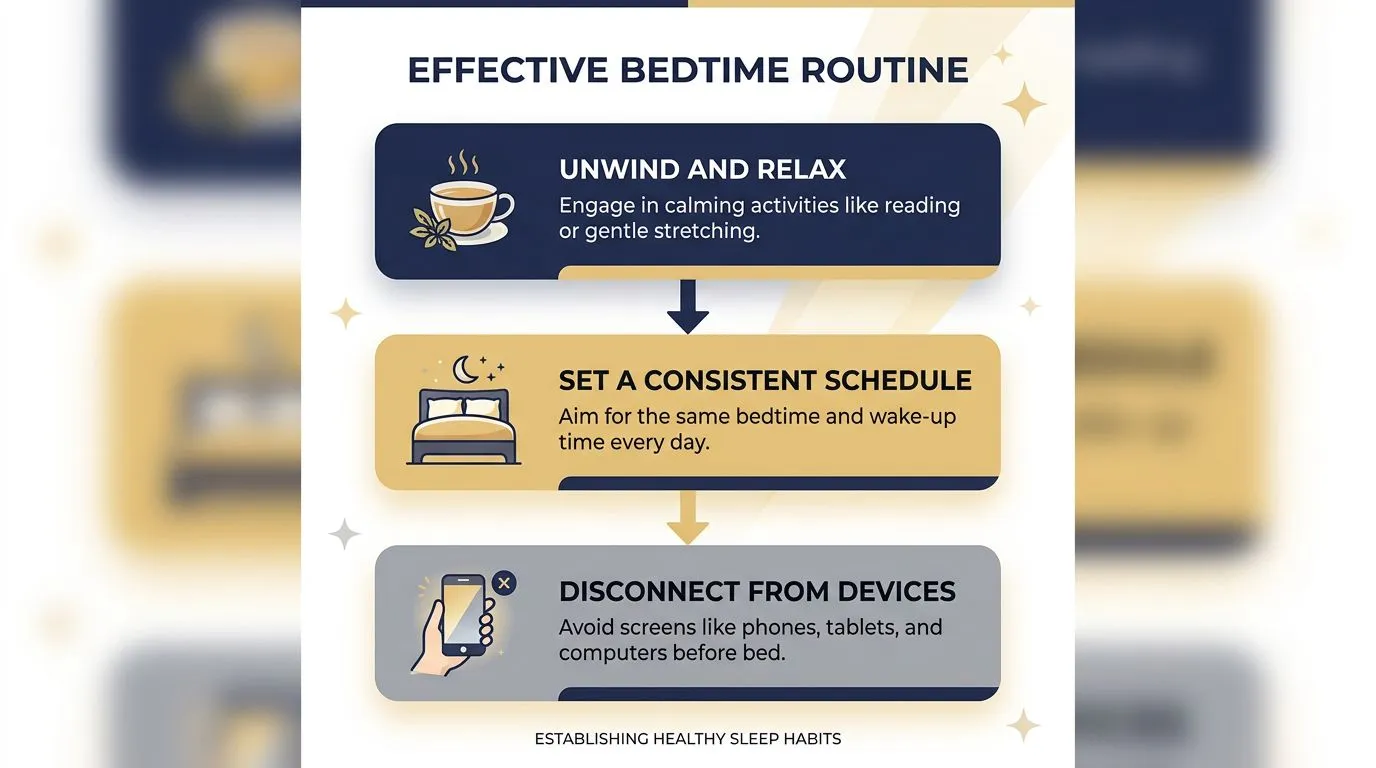
A simple nightly pattern is easy to keep: read the verse, pause for a breath, read the surrounding verses, pray the Psalm slowly, trust God with one concrete worry, and rest.
If you want a short bedside prayer, use the reflection line slowly, then stop adding more words and let the passage do its work.
How should you use a Psalm tonight, not just read one?
Use the Psalm as a prayer, not as a sleep trick. Bible Study Tools groups bedtime verses around trust in God’s protection through the night, and that framing is better than treating the verse like a lucky sentence you recite once and forget.
Start with Psalm 4:8 if you want one clear passage. If your thoughts feel crowded with unfinished tasks, bring in Psalm 127:2.
If you need the added reassurance that God sustains you while you sleep and wake, add Psalm 3:5, then speak the words slowly enough that they actually land.
A wise way to close the day
This is where Proverbs 3:24 fits well, because it describes lying down without fear and having sleep become sweet.
The point is not that every night will feel instantly peaceful, but that when peace does not come right away, keep praying and resting in Scripture instead of trying to force control over the night.
If you want one passage tonight, read Psalm 4:8. If you want a fuller bedside prayer, keep Psalm 127:2 and Psalm 3:5 nearby, then let them reframe the last minutes before sleep as worship instead of worry.
Frequently asked questions
Should I read the whole Psalm or just one verse before bed?
Read at least the whole Psalm if you can, because one verse makes more sense inside the full prayer or song.
In this case, Psalm 4 is an evening prayer, and reading the verses around Psalm 4:8 helps you hear the calm trust behind the line instead of treating it like a stand-alone quote.
What if the Psalm makes me feel more emotional than peaceful?
Choose a shorter, gentler passage like Psalm 4:8 or Psalm 3:5, then sit with one line instead of rushing through several.
If your mind is already full, Psalm 127:2 can also help by turning your attention away from anxious toil and back to the God who gives sleep.
Can I use the same verse every night?
Yes. Repeating one verse can help you memorize it and let the words settle into your mind before sleep.
Psalm 4:8 is a strong nightly choice because it keeps returning you to peace and safety in God’s care.
Is a bedtime Psalm a prayer or a reading?
It can be both. Many readers use the Psalm as a short prayer by turning each line into a personal request or statement of trust, and that fits Psalm 4:8 especially well because it already reads like evening worship.


This Bible Verse Can Help You Face a Difficult Day
Psalm 46:1 is a strong Bible verse for a difficult day because it says, “ God is our refuge and strength , a very present help in trouble.” Put simply, God is…
Before Your Next Important Decision, Remember What Proverbs Says
A common mistake is treating Proverbs like a magic formula that guarantees the outcome you want if you quote the right verse. The better way is simpler, and st…

Read This Bible Verse When You're Worried About Your Future
If you’re worried about your future, start with Jeremiah 29:11. It reminds you that God knows your life, sees what you can’t see, and is still working with pur…

This Bible Verse Is a Powerful Reminder of God's Promises
Jeremiah 29:11 is one of the clearest Bible verses about God’s promises: “For I know the plans I have for you, declares the Lord, plans for welfare and not for…