
Bedtime Prayer to Thank God and Sleep in Peace
If you want to thank God before sleep and actually rest, keep your bedtime prayer short, honest, and centered on gratitude, surrender, and peace. A simple night prayer helps you lay down the day with a quiet heart, ask for God’s protection, and sleep trusting that He is with you.
Key takeaways
- Use 3 parts in your bedtime prayer: thanks, surrender, and peace.
- Keep it short enough to pray in under 2 minutes so you can stay consistent.
- Psalm 4:8, Philippians 4:6-7, and Psalm 91:1-2 fit a bedtime prayer well.
- A bedtime prayer can calm your heart, but it cannot replace medical care or urgent safety steps.
What a bedtime prayer is and why it helps before sleep
A bedtime prayer is a short evening prayer you say before sleep to thank God, release your worries, and ask for peace through the night. That matters because the end of the day is often when your mind starts replaying unfinished tasks, hard conversations, and fears about tomorrow.
Scripture gives that practice a clear shape. Psalm 4:8 says you can lie down and sleep in peace, Psalm 91:1-2 points to God as your refuge and fortress, and Philippians 4:6-7 ties thanksgiving to peace that guards your heart and mind.
That is why this prayer fits you if you want calm, protection, and a closer walk with God tonight. It is not a long devotional, and it is not a morning prayer. It is a simple way to end the day in God’s presence.
A simple bedtime prayer structure you can pray tonight
A bedtime prayer works best when it moves from thanks to surrender to peace. That rhythm keeps your prayer from turning into a mental list of problems and helps you hand the night back to God.
- Begin by thanking God for specific blessings from the day, even small ones such as a safe drive, a kind word, or a meal.
- Name what you are carrying into the night, including worries, fear, unfinished work, family concerns, or stress about tomorrow.
- Ask God for peace, protection, and restful sleep for you and for the people you love.
- Close in Jesus’ name with trust that God is with you while you rest.
- Use this simple prayer: “Father, thank You for this day and for every blessing I saw and did not see. I give You my worries, my fears, and the things I cannot fix tonight. Please give me peaceful sleep, protect me and my loved ones, and let Your presence fill this room. I trust You with tonight and with tomorrow. In Jesus’ name, amen.”
You can pray those words slowly or adapt them in your own language. The point is not to sound polished. It is to be real before God.
Bible verses and themes to include in your prayer
- Psalm 4:8 gives the clearest line for a prayer for peaceful sleep: “In peace I will lie down and sleep.” Use it when your mind needs rest more than explanation, and keep the prayer short enough to pray without straining.
- Philippians 4:6-7 turns worry into prayer with thanksgiving. A simple line from that passage is, “Lord, I bring You my requests with thanks, and I ask for Your peace to guard my heart tonight.”
- Psalm 91:1-2 is the verse to use when you want to ask for protection: “You are my refuge and fortress.” That line helps your prayer sound like trust, not panic.
- A short verse woven into prayer can keep your words grounded in Scripture without making bedtime feel formal or complicated.
- If you keep a Bible, a bookmark with one of these verses by your bed can make it easier to pray before sleep instead of trying to remember wording from memory.
A bedtime prayer can do this, and it cannot do that
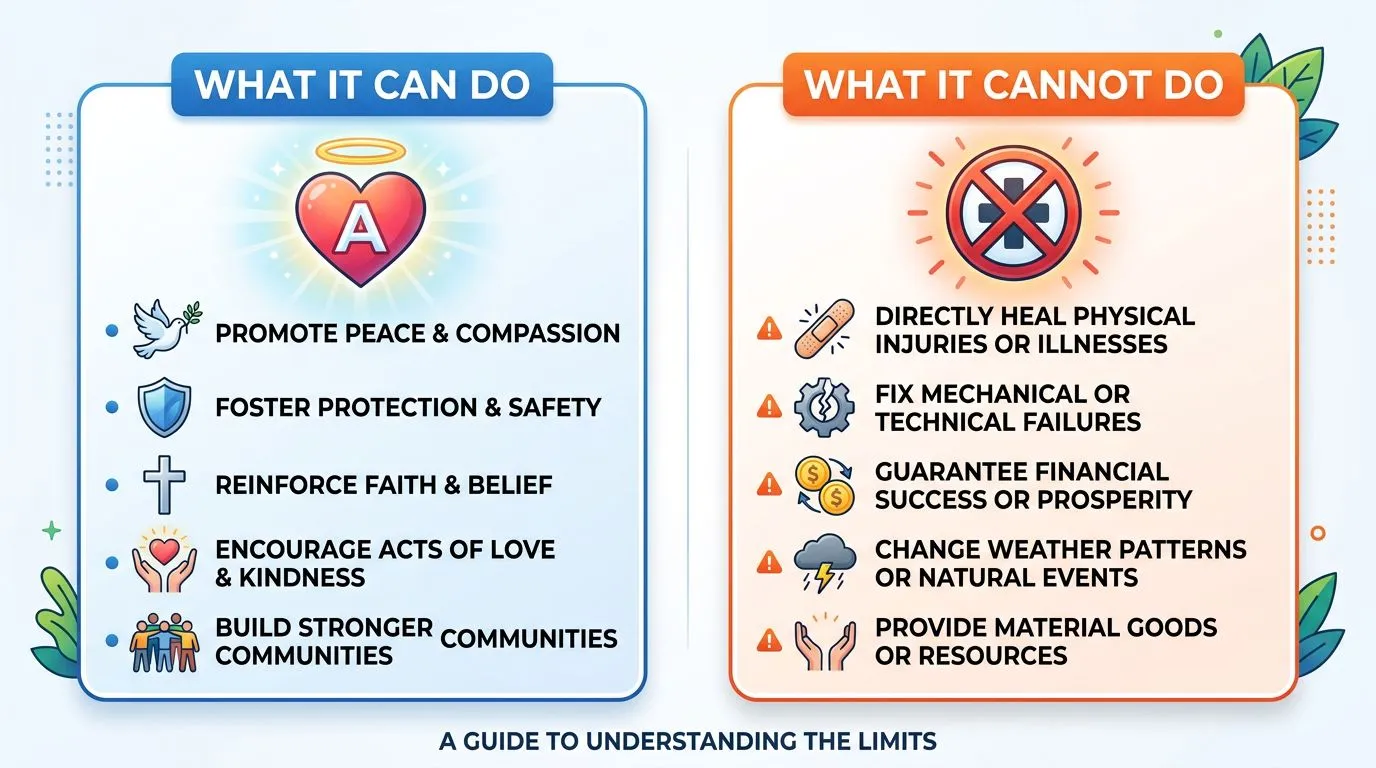
| What it can do | What it cannot do |
|---|---|
| It can bring gratitude, peace, and a calmer heart before sleep. | It cannot replace medical care for persistent insomnia, anxiety, depression, pain, or breathing problems. |
| It can help you release the day and stop carrying every concern into bed. | It cannot replace safety steps such as locking doors, following prescribed treatment, or getting urgent help when needed. |
How Christians use bedtime prayer in real life
Christians often use bedtime prayer as a quiet reset at the end of the day, and the best examples are simple, not dramatic. KHCB and Christianity.com both show night prayer as a place to ask for protection and peace, while Woman’s Day includes prayers that thank God for the day and ask for restful sleep and safety.
That same pattern shows up in Jesuit Resource, Biblestudytools.com, and PureFlix, each emphasizing gratitude, surrender, protection, and trust. The shared lesson is practical: if your prayer is too long or too polished, you may stop praying it. If it is brief and sincere, you are more likely to keep it.
What to say when your mind is racing
When your thoughts keep jumping from one concern to another, name the biggest one and hand it to God in one sentence. You do not have to solve the whole night in prayer. You only need to be honest enough to say what is heavy and ask for peace.
What to say when you feel grateful but tired
When you are tired but thankful, keep the prayer centered on thanks and trust. A simple closing like, “Thank You for this day, Thank You for watching over me, and Thank You for Your peace,” is enough to end the night with faith instead of strain.
A short prayer you can pray tonight
Father, thank You for this day and for the blessings I saw and the ones I missed. I give You my worries, my unfinished tasks, my fears, and everyone I love. Please cover me with Your peace, protect my home through the night, and give me restful sleep. I trust You with tonight and with tomorrow. In Jesus’ name, amen.

If you need a gentler version, slow it down and pause after each sentence. That small pause can help your heart catch up to your words.
The best way to end the day in peace
The best bedtime prayer is the one you will actually pray tonight, because peace usually starts with a small act of trust. Thank God for one real blessing, hand Him one real worry, ask for His protection, and let your last words be simple enough to rest on.
Frequently asked questions
How long should a bedtime prayer be?
It can be as short as one or two minutes, and it does not need to sound polished. The key is to include real thanks, a simple surrender of your worries, and a request for peace so you can rest in God’s presence.
What if I fall asleep while praying?
That is not failure. If your heart is turned toward God, even a short prayer still matters, and you can always pray again the next night. The point is to end the day with trust, not to force yourself into a long prayer when you are exhausted.
Can I use the same bedtime prayer every night?
Yes. Repeating a simple prayer can help settle your mind and keep you consistent when you are tired. The article’s pattern is the same each night, thanks, surrender, and peace, so using familiar words can make it easier to pray honestly instead of overthinking what to say.
Should I pray out loud or silently before bed?
Either is fine. Pray in the way that feels natural and quiet enough to help you focus on God, especially if your mind is busy. What matters most is that your prayer is sincere and helps you release the day with peace.
Is a bedtime prayer appropriate for children?
Yes. Simple prayers are a good fit for children because they help them learn gratitude, trust, and comfort before sleep. A short prayer that thanks God, asks for protection, and ends with peace is often easier for children to remember and repeat.


A Powerful Prayer for a Secure and Successful Future
A powerful prayer for a secure and successful future can bring peace when tomorrow feels uncertain. Questions about your family, career, finances, health, and…

A Powerful Prayer for Your Children’s Education and Future
A powerful prayer for your children’s education and future can help you place their learning, decisions, dreams, and challenges in God’s loving hands. Parents…

A Powerful Prayer for Anxiety, Stress, and Peace of Mind
A powerful prayer for anxiety, stress, and peace of mind can help you turn to God when your thoughts feel overwhelming and your heart cannot find rest. In mome…

A Powerful Prayer for Guidance When You Feel Lost
When uncertainty clouds your thoughts and every path seems confusing, a powerful prayer for guidance when you feel lost can help you slow down, seek God’s pres…